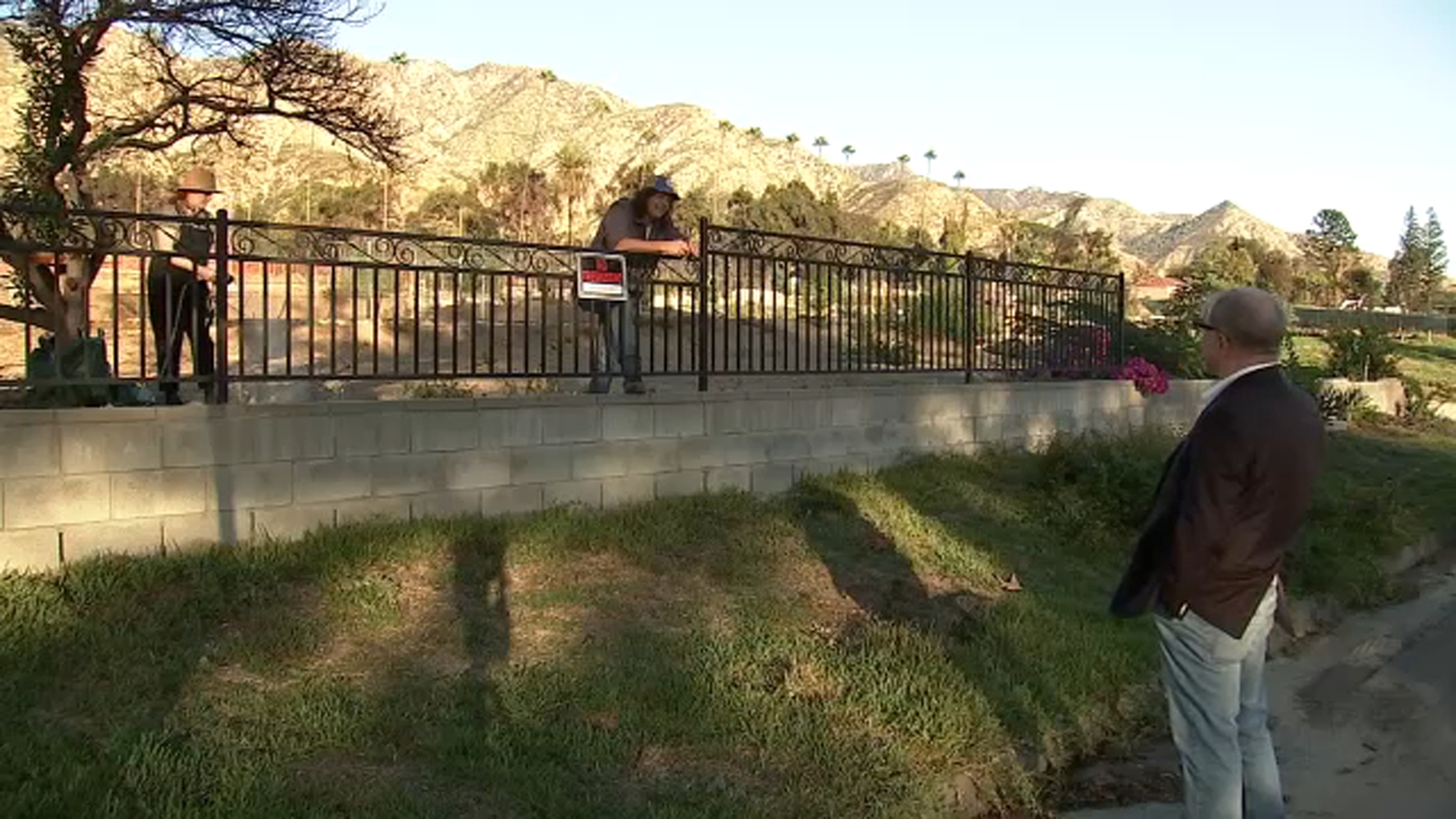
A year after the Eaton Fire, Altadena homeowners struggle with persistent lead contamination in homes and soil despite repeated remediation efforts

Fire Survivors Continue to Face Lead Contamination Issues
For fire survivors with homes still standing, the past year has involved cleaning, remediating, and testing. Many are discovering that lead is a stubborn toxin, despite their efforts and the money spent on professional cleaners.
Before the New Year, Eaton Fire Survivors United reported a concerning statistic: 45 out of 50 remediated homes still tested positive for lead. One year later, some residents are still struggling to remove lead from their soil and homes.
“I was just more concerned about myself and my neighbors,” said Altadena homeowner Blossom Wright during an interview with 7 On Your Side Investigates, as she began to cry. Her tears have not stopped since the Eaton Fire.
As you walk her property, you can see that her feelings are fueled by frustration. “It’s been like having to become a citizen scientist,” Wright said. “It’s ridiculous.”
Wright’s bungalow craftsman remains completely sealed off. Professional remediators have cleaned the inside four times. Yet, a dining room windowsill failed a fourth test due to high lead levels.
“Those are just tiny particles that are so stubborn,” Wright told ABC7.
Ellen Dinerman’s insurance does not cover the cost to remediate her soil. In one area of her front yard, testing showed 1,200 parts per million (PPM) of lead. The EPA threshold for potential lead contamination is 300 PPM.
To “detox” her soil, Dinerman has planted specific grasses and sunflowers that absorb heavy metals. “I’ve pulled them all out because you don’t want the birds to eat the seeds or they’re getting the toxins,” Dinerman explained while showing Eyewitness News her sunflowers.
Caltech geochemist Francois Tissot understands how lead from last year’s smoke plume infiltrated homes. Nearly everything he owns is now piled up outside his Altadena home, flagged by remediators for disposal.
“It’s pretty emotional to be here,” Tissot said outside his home. When he is not battling his insurance company for coverage, he collects samples from homes near the burn scar with students.
Early last year, they found high lead levels in more than half of the samples taken. They have begun retesting those homes to evaluate the effectiveness of remediation efforts.
Tissot and the students are collecting dust samples from behind picture frames and in attics to check for lingering lead. They expect to find some.
Last year, during their first round of testing, 10% of cleaned windowsills still had lead levels above the EPA limit. “So it is not a given that remediation will work,” Tissot stated to 7 On Your Side Investigates.
“We have many stories of people that have cleaned their house once, twice, three times with professional companies and they’re still testing above,” Tissot added. His team will conduct most of their retesting later this month.
| Statistic | Value |
|---|---|
| Homes remediated testing positive for lead | 45 out of 50 |
| Lead level in Dinerman’s yard (PPM) | 1,200 PPM |
| EPA threshold for lead contamination (PPM) | 300 PPM |
| Percentage of cleaned windowsills with lead above EPA limit | 10% |