Los Angeles residents debate California’s proposed Zone Zero law requiring plant-free zones around homes to reduce wildfire risks amid concerns over effectiveness and impact

California Proposes Plant-Free Zones After Wildfires
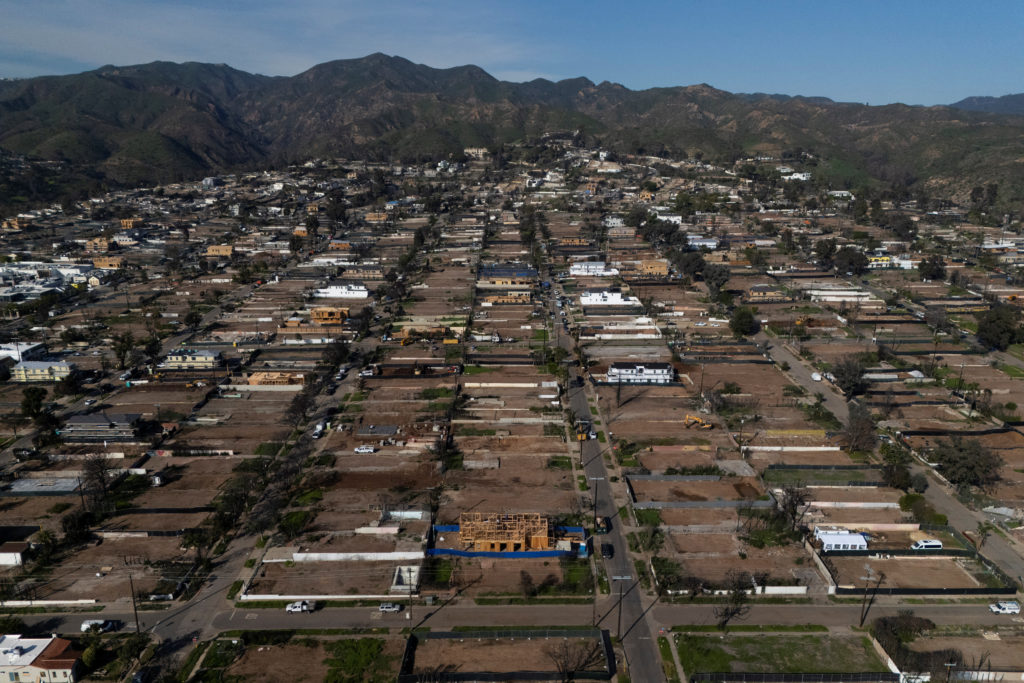
One year after the devastating wildfires, California plans to create plant-free zones around homes in high-risk fire areas. Many residents are resisting the Zone Zero regulations due to cost and inconvenience.
Following last January’s wildfires, a debate is ongoing about how to prevent future catastrophic fires in California. There are questions about whether new regulations could help homeowners obtain insurance.
Thousands of homes in Los Angeles are in very high-fire zones. However, each neighborhood is different, leading to concerns about the one-size-fits-all law called Zone Zero. This is the latest version of California’s defensible space requirements.
Zone Zero refers to the area closest to a home’s perimeter, specifically the space from zero to five feet. The goal of this new law is to create an ember-resistant defensible zone.
| Aspect | Details |
|---|---|
| Law Name | Zone Zero |
| Distance from Home | 0 to 5 feet |
| Homeowners Affected | About 2 million structures |
| Percentage of Structures in CA | 17% |
| Implementation Time | 3 years after approval |
Brentwood resident Thelma Waxman expressed concern, saying, “I live in an urban, dense neighborhood, and they’re applying rural wildfire zone regulations to me. The fire risks here and the conditions are not the same.”
Yael Pardess, a resident of L.A.’s Mount Washington neighborhood, stated, “It’s an extreme reaction that is completely unnecessary and misplaced, because to put the blame just on plants is insane.”
Zone Zero regulations are still in draft form. They may require removing combustible materials near structures, clearing dead leaves and flammable plants, trimming branches to at least 10 feet from chimneys, and maintaining space between trees and shrubs.
Wade Crowfoot, California’s Natural Resources Secretary, noted, “The January wildfires almost a year ago really put a finer point on the need for Zone Zero.” He highlighted the urban conflagration risk seen in the Palisades and Eaton fires.
Thousands have engaged with the Board of Forestry. The final Zone Zero regulations are expected to be released in the Spring. Once approved, homeowners will have three years to comply. Enforcement will focus on education and outreach, allowing local jurisdictions to adopt their own rules.
California State Senator Ben Allen stated, “The challenge for us in government is how do we come up with a policy that is as least restrictive as possible.” He emphasized the need for a balanced approach to reduce fire risk while respecting property rights.
Waxman raised concerns about the insurance industry’s influence, saying, “The insurance industry shows up at every meeting and says, ‘No, everything must go.’”
Allen acknowledged the mutual interest in lowering fire risk but noted that following Zone Zero regulations does not guarantee insurance. The Board of Forestry estimates that Zone Zero will impact about 2 million structures.
For Pardess, who has lived in Mount Washington for almost thirty years, the regulations could force her to leave. She said, “These rules are so contra to our lives here, to our environment, to our birds, to the heat, to the shade.”