Metro Detroit faces early pothole season due to rapid thaw after freezing winter, with road crews preparing for cracks by late January

Early Winter Brings Pothole Threats to Metro Detroit
Winter has arrived early in Metro Detroit, bringing potential road issues sooner than expected. Potholes usually appear in March, but road crews anticipate them to emerge later this week.
Michigan’s changing weather affects both residents and their vehicles. With warmer temperatures expected later this week, melting snow and leftover moisture will impact the state’s roadways.
After a cold and snowy end to 2025, Michigan’s weather is shifting to warmer conditions. Air temperatures are predicted to rise into the 50s by Thursday, likely melting any remaining snow from recent above-freezing days.
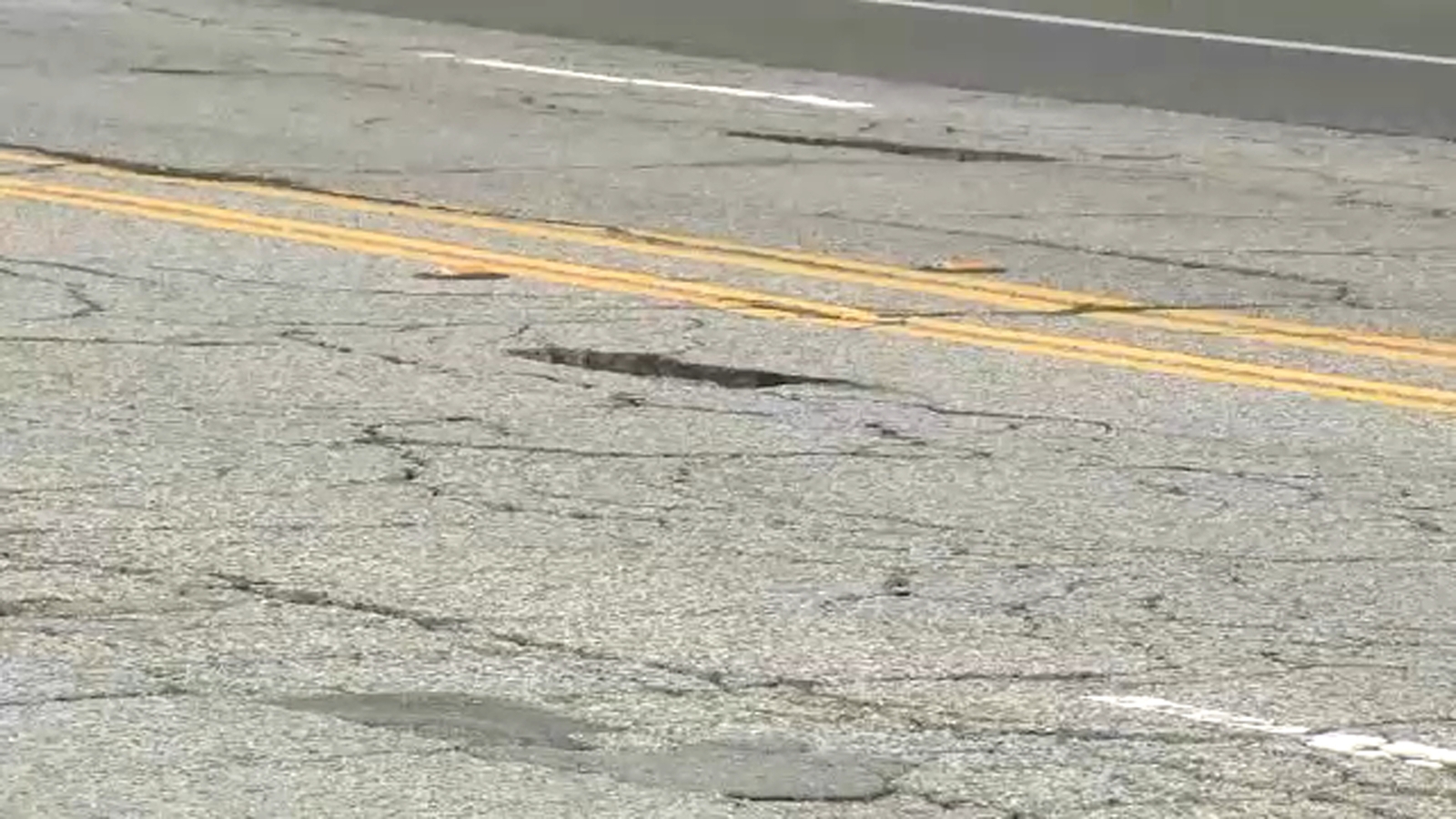
This thaw, typically seen in spring, will lead to cracked pavement and difficult driving conditions in Michigan. Road workers are preparing for these changes but have limited advice for avoiding potholes.
“These things can develop very quickly, unexpectedly, out of nowhere. Sometimes they’re very hard to see, especially if you’re driving at night and there’s moisture on the road,” said Craig Bryson from the Road Commission for Oakland County.
He advises drivers not to swerve when encountering a large pothole, stating that a punctured tire is preferable to a totaled vehicle.
Temperature Forecast for Metro Detroit
| Day | Temperature (°F) |
|---|---|
| Monday | Below 32 |
| Tuesday | 42 |
| Wednesday | 41 |
| Friday | 50 |
While Monday started off just below freezing, temperatures will rise during the day. Daily lows will still drop below 32 degrees Fahrenheit, but daytime warming will be significant, according to the National Weather Service.
Potholes commonly form in late winter and early spring due to typical seasonal conditions. According to the Michigan Department of Transportation, three layers of a road contribute to pothole formation: the pavement, sub-base, and soil.
Potholes begin when snow or rain seeps beneath the road surface, accumulating in the bottom soil layer. When moisture freezes in winter, it expands and pushes up the pavement. This upward pressure creates the first crack in the road.
As temperatures rise and the ice melts, the ground returns to its normal level. However, the pavement that was pushed up does not return, creating a gap between the pavement and the sub-base. When vehicles drive over this area, the weight causes the top surface to crack and eventually cave in, forming a cavity that grows with more traffic.